Essential Tree Pruning Tools: What Professionals Use and What Homeowners Can Handle
Essential Tree Pruning Tools: What Professionals Use and What Homeowners Can Handle
The right tree pruning tools depend entirely on branch diameter and height—hand pruners handle up to ¾ inch, loppers cut 1–2 inches, pruning saws tackle 2–5 inches, and anything larger or higher than you can safely reach from the ground requires professional-grade equipment and expertise.
Key Takeaways
- Match your tool to the branch diameter. Using undersized tools damages both the tree and the tool—hand pruners for twigs under ¾", loppers for branches 1–2", pruning saws for 2–5", and chainsaws for anything larger.
- Bypass blades outperform anvil blades for live wood. Bypass pruners make clean, scissor-like cuts that heal quickly, while anvil tools crush tissue and are better suited for deadwood removal only.
- Pole pruners extend your safe reach to 12–14 feet. Beyond that height, the physics of leverage and falling debris make professional equipment and training necessary.
- Quality tools cost more upfront but save money over years. A $45 Felco hand pruner lasts 20+ years with proper maintenance; a $12 hardware store pruner typically fails within two seasons.
- Tool maintenance is half the battle. Sharp, clean, properly lubricated blades make cleaner cuts that heal faster, reducing disease transmission and improving tree health outcomes.
What Are the Essential Tree Pruning Tools I Should Buy for Safe Home Tree Maintenance?
Building a functional home pruning toolkit doesn't require professional-grade investment, but it does demand thoughtful selection. The difference between frustrating afternoons fighting stubborn branches and efficient yard work often comes down to four tools that most homeowners will reach for constantly.
The Core Four: Tools You'll Use Constantly
Hand Pruners (Secateurs)
These are your workhorses—the tools you'll reach for 80% of the time during routine maintenance. Quality hand pruners handle branches up to ¾ inch in diameter cleanly and efficiently.
Two types dominate the market. Bypass pruners feature two curved blades that pass each other like scissors, producing clean cuts on live tissue. This is what you want for most pruning work. Anvil pruners have a single blade that closes against a flat surface, crushing rather than slicing. Reserve these for deadwood only.
Expect to pay $25–$60 for pruners that will last a decade or more with basic maintenance.
Loppers
When branches exceed ¾ inch, hand pruners struggle and you risk damaging both tool and tree. Loppers—essentially long-handled pruners—provide the leverage needed for branches between 1 and 2 inches in diameter.
Handle length matters: 15–18 inch handles suit most homeowners, while 24–32 inch models provide greater leverage for thicker cuts but become unwieldy in tight spaces.
Pruning Saws
Branches between 2 and 5 inches require cutting teeth rather than blade pressure. Folding pruning saws offer convenient portability, while fixed-blade models provide more rigidity for repeated heavy use.
Look for tri-edge or Japanese-style teeth patterns—they cut on both push and pull strokes, clearing sawdust efficiently and reducing binding.
Pole Pruners
For branches beyond arm's reach but within 12–14 feet of ground level, pole pruners safely extend your working range. Most combine a bypass cutting head (operated by rope or lever) with a curved saw blade for versatility.
Investment Comparison: Tools for Pruning Trees
| Tool Type | Budget Option | Mid-Range | Professional Grade | Expected Lifespan |
|---|---|---|---|---|
| Hand Pruners | $12–$20 | $30–$50 | $55–$80 | 2–5 / 10–15 / 20+ years |
| Loppers | $20–$35 | $40–$70 | $80–$150 | 3–5 / 8–12 / 15+ years |
| Pruning Saw | $15–$25 | $30–$50 | $60–$100 | 2–4 / 5–10 / 10+ years |
| Pole Pruner | $40–$70 | $80–$150 | $200–$400 | 3–5 / 7–12 / 15+ years |
For trees requiring work beyond these basic tools' capabilities, professional tree trimming services
ensure the job gets done safely and correctly.
Which Professional Grade Tree Pruning Tools Are Best for Cutting Thick Branches Cleanly?
When branches exceed 2 inches in diameter, you've moved beyond casual maintenance into territory where tool selection significantly impacts results. The difference between a ragged tear and a clean cut that heals properly often comes down to blade geometry and steel quality.
Pruning Saws for Serious Work
Professional-grade pruning saws differ from hardware store options in three critical ways.
Tooth geometry. High-end saws feature impulse-hardened teeth that stay sharp 3–5 times longer than standard steel. The tooth pattern—typically Japanese-style with aggressive rake angles—cuts faster with less effort.
Blade thickness and taper. Professional saws taper from spine to edge and from handle to tip, reducing binding in deep cuts. Budget saws use uniform-thickness blades that frequently jam.
Handle design.
Ergonomic grips with textured surfaces prevent slipping during sustained cutting, reducing fatigue and improving safety.
Brands That Arborists Actually Use
| Brand | Specialty | Price Range | Notable Models |
|---|---|---|---|
| Silky | Premium Japanese saws | $50–$200 | Zubat, Gomtaro, Hayauchi |
| Felco | Swiss precision pruners | $50–$120 | Felco 2, Felco 6, Felco 8 |
| ARS | Japanese pruners & saws | $40–$90 | HP-VS8Z, CAM-24LN |
| Corona | American professional tools | $30–$80 | DualCUT, RazorTOOTH |
| Bahco | Swedish hand saws | $40–$100 | Laplander, 396-LAP |
The Silky Zubat (curved blade) and Silky Gomtaro (straight blade) represent the gold standard among professional arborists—their cutting speed and edge retention justify premium pricing for anyone doing regular pruning work.
When Hand Tools Aren't Enough
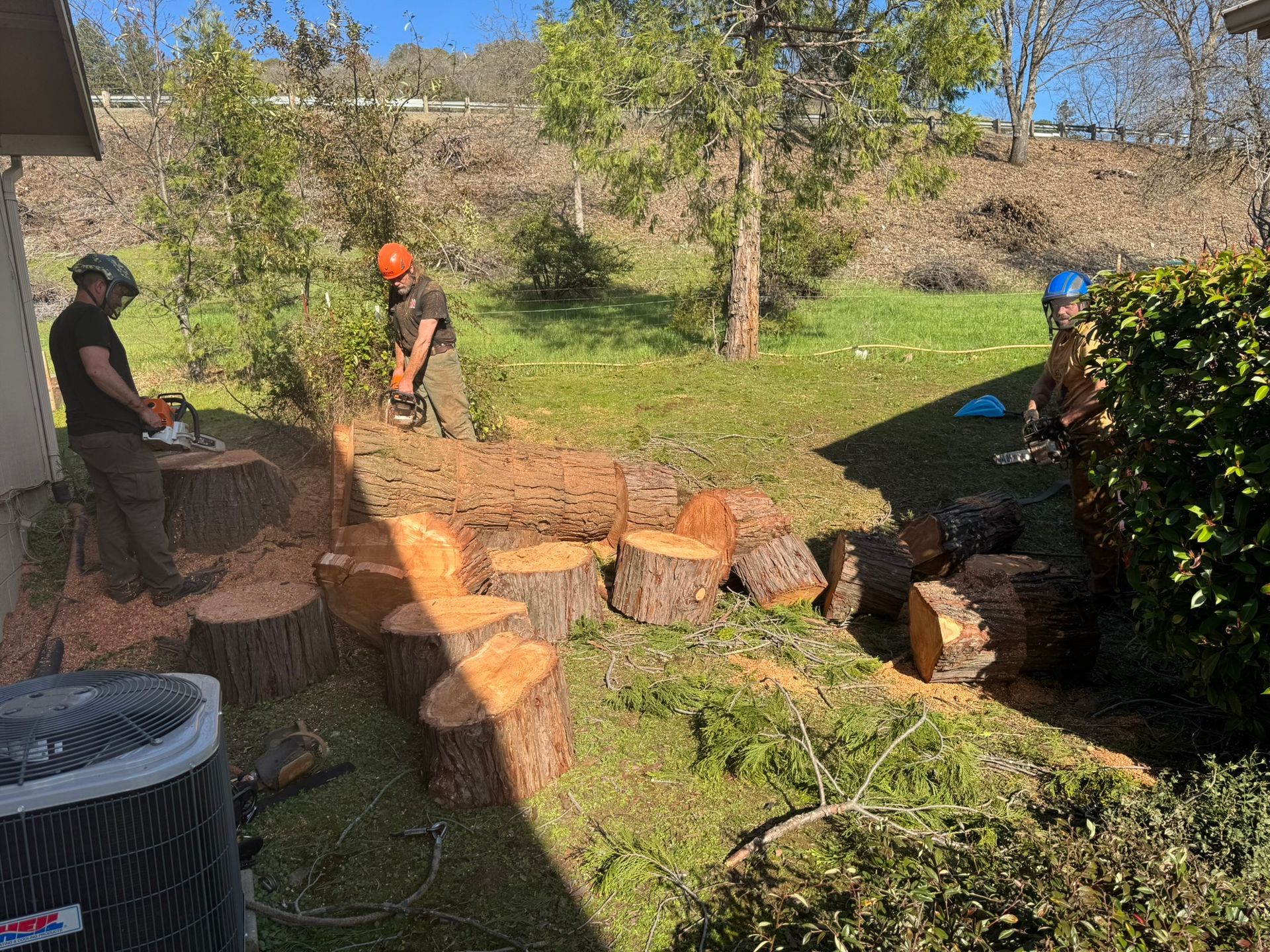
Branches exceeding 5 inches generally require power equipment—specifically, chainsaws. However, chainsaw operation introduces significant safety considerations that most homeowners shouldn't navigate alone.
For large branch removal or any cutting requiring a ladder, certified arborist consultations
help determine the safest approach for your specific situation.
What Tree Pruning Tools Do Certified Arborists Recommend for Small and Medium Trees?
Certified arborists approach tool selection systematically, matching equipment to tree size, species, and maintenance goals. Their recommendations reflect thousands of hours in the field with trees that respond differently to various cutting approaches.
Small Trees and Shrubs (Under 15 Feet)
For ornamental trees, fruit trees, and large shrubs, the basic toolkit suffices with one critical addition: a quality holster system.
Professional arborists don't set tools down between cuts—they holster them. This prevents tool loss in vegetation, blade contamination from soil contact, and time wasted retrieving dropped equipment.
A leather or Cordura holster that accommodates your hand pruners and folding saw costs $20–$40 and transforms your workflow.
Medium Trees (15–30 Feet)
Trees in this range typically require extended-reach pole pruners (12–16 foot maximum extension), multiple saw blade lengths (13" for access, 17" for cutting speed), and rope systems for larger limb lowering.
The challenge with medium trees isn't usually the cutting—it's managing where cut material falls. Branches over 3 inches can cause significant damage to landscaping, structures, or people below.
Species-Specific Considerations
| Tree Type | Recommended Primary Tool | Why |
|---|---|---|
| Fruit trees (apple, pear) | Bypass pruners, fine-tooth saw | Precise cuts minimize disease entry |
| Maples, birches | Very sharp tools only | Sap bleeders heal poorly from ragged cuts |
| Oaks | Sanitized tools between trees | Oak wilt transmission prevention |
| Conifers | Bypass loppers, curved saws | Resinous wood gums up anvil tools |
| Dense hardwoods | Aggressive tooth saws | Slower cutting requires efficient blade |
For ornamental and fruit trees that benefit from annual maintenance, integrating pruning into comprehensive landscaping services ensures consistent care throughout the growing season.
Which Tree Pruning Tools Kit Should I Purchase for Regular Yard Maintenance at Home?
Rather than buying tools individually, many homeowners benefit from assembled kits—but quality varies dramatically. Knowing what separates a useful collection from an overpriced gimmick saves both money and frustration.
What a Complete Home Kit Should Include
Essential components: bypass hand pruners (¾" capacity), bypass loppers (2" capacity), folding pruning saw (6–8" blade minimum), pruning gloves (leather palm, extended cuff), and a tool holster or belt system.
Valuable additions: sharpening tool (diamond file or ceramic rod), cleaning solution (isopropyl alcohol or commercial sanitizer), replacement springs/blades for primary tools, and safety glasses.
Kit Red Flags:
Anvil-style pruners marketed for "all-purpose" use, non-replaceable blades, plastic handles on any cutting tool, missing manufacturer warranty, and "50-piece" sets with redundant items.
Pre-Assembled Kit Comparison
| Kit Type | Typical Price | Pros | Cons |
|---|---|---|---|
| Hardware store bundle | $30–$60 | Convenient, immediate | Lower quality, limited selection |
| Brand-matched set | $80–$150 | Consistent quality, parts availability | Higher upfront cost |
| Build-your-own | $100–$200 | Optimized selection, premium tools | Requires research |
The Build-Your-Own Approach
For serious gardeners, assembling a custom kit delivers the best long-term value. Start with hand pruners like the Felco 2 or ARS HP-VS8Z ($55–$65), add loppers such as the Corona DualCUT or Fiskars PowerGear2 ($40–$60), include a pruning saw like the Silky Pocketboy or Bahco Laplander ($35–$45), grab Atlas 370 Nitrile gloves or similar ($8–$15), and finish with a DMT diamond file plus rubbing alcohol for maintenance (~$20–$30).
Total: $160–$215 for tools that last 15+ years with proper care.
What Are the Safest Tree Pruning Tools to Use When Pruning High Branches from a Ladder?
The safest answer: don't prune from a ladder.
This isn't an exaggeration for liability purposes—it's based on injury statistics. The Consumer Product Safety Commission reports over 240,000 ladder-related injuries annually in the United States, with a significant portion involving tree work.
Why Ladders and Pruning Don't Mix
The physics problem: Pruning generates lateral forces (pulling, pushing, sawing) while ladders rely on vertical stability. When you reach sideways to make a cut, your center of gravity shifts outside the ladder's support base.
The reaction problem: When branches release, they often move unpredictably—swinging, dropping, or bouncing. On solid ground, you step aside. On a ladder, you fall.
The terrain problem:
Residential properties rarely offer level, stable ladder placement near trees. Grass, mulch, slopes, and root flares all compromise ladder stability.
If You Must Use Height
For branches genuinely within pole pruner range (up to about 14 feet) but awkwardly positioned, orchard ladders (tripod design) offer superior stability on uneven ground. Never exceed the second-to-top step, maintain three points of contact except during actual cutting, have a spotter present at all times, and use rope to lower cut branches rather than letting them fall.
The Professional Alternative
Certified arborists access high branches using aerial lifts (bucket trucks), rope and saddle climbing systems, and specialized rigging for controlled branch lowering. These methods require extensive training and certification—not equipment homeowners can simply purchase and use safely.
When trees require work above safe reach, professional tree trimming services bring both the equipment and expertise for the job.
2025–2026 Industry Statistics & Market Trends
The landscape of tree care is shifting toward high-tech sustainability and stricter safety oversight.
Market Growth: The US Tree Services market is valued at $1.49 billion in 2025 and is projected to reach $1.7 billion by 2026, growing at a CAGR of 14.1% as urbanization increases the demand for municipal and residential canopy management.
Sustainability Demand: In 2026, 83% of landscaping professionals report that homeowners are prioritizing native plant installations and "edible landscaping" (e.g., fruit trees as focal points) to support local biodiversity and reduce water consumption.
The Cost of "DIY" Accidents: Tree care remains one of the most hazardous home maintenance tasks. Statistics show approximately 23,000 chainsaw-related injuries and roughly 80 worker fatalities annually in the US, often due to proximity to power lines or falls from height.
Maintenance ROI: Standard professional tree and lawn care services currently offer an estimated 217% return on investment (ROI), significantly boosting property curb value and safety.
Which Long Reach Tree Pruning Tools Are Best for Tall Trees Without Using a Ladder?
Pole pruning tools represent the practical limit of safe DIY tree work. Understanding their capabilities—and limitations—helps you work effectively while recognizing when to call professionals.
Pole Pruner Anatomy
Modern pole pruners combine two functions. The pruning head is a bypass-style cutting mechanism operated by rope pull or compound lever, typically rated for branches up to 1¼ inches. The saw attachment is a curved or straight blade mounted near the pruning head for branches exceeding the bypass capacity, usually effective up to 3–4 inches depending on user stamina.
Extension Options
| Pole Type | Length Range | Weight | Best For |
|---|---|---|---|
| Telescoping fiberglass | 6–12 feet | 4–8 lbs | Occasional use, light cuts |
| Telescoping aluminum | 6–14 feet | 3–6 lbs | Regular maintenance |
| Sectional fiberglass | Custom to 21+ feet | 6–12 lbs | Professional/frequent use |
| Powered (electric/gas) | 8–12 feet | 8–15 lbs | Large properties, heavy use |
Recommended Models by Use Case
Best overall for homeowners:
Fiskars Extendable Pole Saw & Pruner (7–14 feet, ~$60). It features a reliable extension mechanism, replaceable saw blade, and reasonable weight for extended overhead work.
Best for fruit trees:
Corona TP 6870 (~$80). The precise bypass head, fiberglass pole (electrical safety near lines), and good balance and control make it ideal for orchard work.
Best for heavy use:
Silky Hayauchi (12–21 feet, ~$180–$280). The professional-grade saw blade, oval pole that prevents rotation during cuts, and exceptional cutting speed justify the premium price.
Practical Height Limits
Even with extended-reach tools, effective cutting height has practical limits. At 14 feet, cut precision diminishes and fatigue accumulates rapidly. At 18 feet, saw control becomes difficult and neck/shoulder strain significant. At 21+ feet, professional equipment and techniques become necessary.
For trees that have outgrown your pole pruner's effective reach, arborist consultations help determine appropriate long-term management strategies.
What Disinfecting and Sharpening Products Should I Buy to Maintain My Tree Pruning Tools?
Tool maintenance directly impacts tree health. Dull blades crush tissue rather than cutting cleanly, creating wounds that heal slowly and invite infection. Contaminated tools spread pathogens between trees—a particular concern with diseases like oak wilt and fire blight.
Sharpening Essentials
For hand pruners and loppers:
Diamond files (300–600 grit) remove metal efficiently. Ceramic rods polish edges to surgical sharpness. Sharpening takes 30 seconds per blade when done regularly.
Technique matters:
Sharpen only the beveled edge, maintaining the factory angle (typically 20–25 degrees). Sharpening the flat side creates a gap between blades that crushes rather than cuts.
For pruning saws:
Most modern saws feature hardened teeth that can't be sharpened. Replace blades when cutting slows significantly (~$15–$40). Attempting to sharpen impulse-hardened teeth destroys the blade.
Recommended Sharpening Products
| Product Type | Brand/Model | Price | Best For |
|---|---|---|---|
| Diamond file | DMT DiaFold | $25–$35 | Quick field sharpening |
| Ceramic rod | Lansky Crock Stick | $15–$25 | Final edge polish |
| Sharpening stone | Norton India | $20–$30 | Workshop sharpening |
| Complete kit | Felco 903 | $25–$35 | Felco pruner maintenance |
Disinfecting Protocol
Disease transmission between trees is a legitimate concern, particularly for oak wilt, fire blight, verticillium wilt, and various canker diseases.
Effective sanitizers: Isopropyl alcohol (70%) is fast-acting, evaporates cleanly, and readily available. Lysol or Pine-Sol (10% solution) is effective but requires rinsing. Bleach (10% solution) is effective but corrodes metal; requires thorough rinsing and oiling.
When to sanitize:
Between trees (always), after cutting diseased material, before storing tools, and before starting each pruning session.
Quick sanitization method:
Wipe visible debris from blades, spray or dip in 70% isopropyl alcohol, allow to air dry (10–15 seconds), then proceed with cutting.
Complete Maintenance Checklist
After each use:
Wipe blades clean of sap and debris, sanitize cutting surfaces, check for blade damage or loosening, apply light oil to pivot points.
Monthly during active season:
Sharpen or hone cutting edges, tighten handle bolts and screws, inspect for rust development, verify spring tension (pruners).
Annually:
Deep clean all tools, replace worn parts (springs, blades, bumpers), apply rust-preventive coating for storage, assess replacement needs.
Where Can I Buy Durable, Rust-Resistant Tree Pruning Tools for Professional Use?
Professional-grade tree cutting tools require sourcing beyond typical retail channels. The difference between authentic professional equipment and look-alike products often determines whether your investment lasts years or months.
Professional Supply Channels
Arborist supply companies
like Sherrill Tree (sherrilltree.com), TreeStuff (treestuff.com), and Arborist Supply Co. (arborsupply.com) stock professional-grade tools, offer expert advice, and stand behind their products with knowledgeable support.
Direct from manufacturers
such as Silky (silkysaws.com), Felco (felco.com), ARS Corporation (through arborist dealers), and Corona (coronatoolsusa.com) ensures authenticity—counterfeit Felco pruners have become surprisingly common on general marketplace platforms.
Quality garden centers,
particularly local independent nurseries, often stock professional tools. Staff typically have hands-on experience with inventory, and you gain the ability to handle tools before purchasing.
What to Avoid
General e-commerce platforms:
While convenient, marketplace sellers frequently offer counterfeits or gray-market tools without manufacturer warranty.
Big-box hardware stores:
Inventory prioritizes price point over professional quality; suitable for starter tools but limited selection of premium options.
"Professional-grade" marketing:
This term has no standard definition. Look for specific indicators like replaceable components, hardened steel specifications, and manufacturer warranties.
Rust Resistance Factors
True rust resistance comes from material selection and maintenance discipline. High-carbon steel offers the sharpest edge but requires maintenance. Stainless steel needs lower maintenance but doesn't hold an edge as well. Chrome-plated carbon steel balances edge retention and corrosion resistance. Teflon or non-stick coatings reduce sap buildup and offer some corrosion protection.
The Pacific Northwest's damp climate makes maintenance particularly important. Tools left wet overnight develop surface rust quickly, even with protective coatings.
What Are the Best Budget Friendly Tree Pruning Tools for New Homeowners?
Starting a tool collection doesn't require professional investment, but strategic purchasing prevents the frustration of cheap tools that fail when needed.
The $75 Starter Kit
For new homeowners with modest pruning needs, consider the Fiskars PowerGear2 Pruner($25) with its geared mechanism that multiplies cutting force, handles ¾" branches reliably, and is widely available. Add the Fiskars PowerGear2 Lopper($30) with the same gearing technology, 2" capacity, and comfortable grip. Complete the set with a Corona RazorTOOTH Folding Saw(~$20) featuring an aggressive tooth pattern, secure lock-open mechanism, and available blade replacement.
Total: ~$75 for tools adequate for basic maintenance on small properties.
When Budget Tools Make Sense
Budget tools work well for light maintenance (under 10 hours annually), small properties with young trees, learning proper technique before investing, and situations where tools may be lost or damaged.
Budget tools struggle with prolonged cutting sessions (ergonomics matter), thick branches at capacity limits, years of continuous use, and sap-heavy species (blade quality affects cutting).
The False Economy Warning
Some "savings" cost more long-term. Dull blades damage trees, potentially requiring professional treatment. Broken tools mid-job force expensive emergency purchases. Poor ergonomics cause repetitive strain injuries. Failed cuts lead homeowners to overreach their capabilities.
Spending $50 instead of $25 on hand pruners that last 15 years versus 3 years isn't frugality—it's math.
Which Electric or Battery Powered Tree Pruning Tools Are Worth Purchasing for Large Properties?
Powered pruning tools transform large-scale maintenance but introduce considerations beyond simple cutting capacity.
Battery-Powered Categories
Powered pruners (pruning shears)
handle up to 1½–2 inches, excel at high-volume cuts on small branches, run 4–8 hours typically, and cost $150–$600.
Battery pole saws
cut up to 8 inches (varies by model), work best for overhead branch removal and extended reach, run 30–90 minutes cutting time, and cost $150–$400.
Battery chainsaws
match gas saw capacity (varies by bar length), handle large limbs, trunk cuts, and heavy brush, run 45–90 minutes cutting time, and cost $200–$600.
Power Tool Comparison: Tree Trimming Tools
| Tool Type | Pros | Cons | Best For |
|---|---|---|---|
| Battery pruners | Fast, reduced fatigue, consistent cuts | Limited capacity, battery cost | Orchards, extensive landscaping |
| Battery pole saw | Reach + power, quieter than gas | Weight, runtime limits | Periodic overhead maintenance |
| Battery chainsaw | Convenient, low maintenance | Limited runtime, less power | Moderate limb work |
| Gas chainsaw | Maximum power, unlimited runtime | Noise, maintenance, emissions | Heavy/frequent cutting |
| Electric (corded) | Consistent power, lightweight | Cord limitations, outlet needed | Near-structure work |
Are Battery-Powered Pruners Effective?
Yes, within their design parameters. Battery-powered pruners excel at repetitive cuts on branches under 1½ inches, extended pruning sessions where hand fatigue becomes limiting, users with reduced grip strength, and high-volume fruit tree maintenance.
They're less suitable for occasional users (battery degradation during storage), single thick cuts (hand tools often faster), and remote locations (runtime limitations).
Battery Platform Strategy
If purchasing multiple battery tools, standardize on one platform. Milwaukee M18 offers an extensive tool lineup with contractor-grade durability. DeWalt 20V MAX provides wide availability and good outdoor tool selection. EGO Power+ is specifically designed for yard tools with excellent battery life. Stihl Battery offers premium quality with arborist-focused options.
Sharing batteries between tools reduces overall investment and ensures you always have charged power available.
When Professional Equipment Becomes Necessary
Battery tools handle maintenance effectively, but certain situations require professional intervention: branches exceeding 4–5 inches near structures (controlled removal needed), storm damage with unpredictable branch loading, trees near power lines (specialized clearances required), and dead or dying trees (structural integrity concerns).
For situations beyond battery tool capabilities, emergency tree services provide rapid response with professional equipment and expertise.
Understanding Your Limits: When DIY Ends and Professional Help Begins
Even with proper tools and technique, certain pruning situations exceed safe homeowner capabilities. Recognizing these boundaries protects both you and your trees.
Clear Professional Territory
Height:
Any work requiring climbing, ladder placement on uneven ground, or extending beyond comfortable pole pruner reach.
Diameter:
Branches over 4 inches near structures require controlled removal techniques—the weight and momentum of falling limbs can cause significant damage.
Proximity to utilities:
Work within 10 feet of power lines requires specialized training and often utility company coordination.
Structural concerns:
Branches attached at weak angles, showing decay, or with crack evidence need professional assessment before cutting.
Tree health questions:
If you're uncertain whether visible symptoms indicate disease, arborist consultations
provide diagnostic expertise.
The Complete Property Perspective
Trees interact with your entire landscape. Major pruning affects sun exposure to lawn and garden beds, root competition with other plants, visual screening and privacy, and property aesthetics and value.
Professional landscaping services integrate tree care with overall property management, ensuring pruning decisions support your landscape goals.
After Major Tree Work
Significant pruning sometimes reveals issues requiring additional services. Visible decline suggesting removal may be needed warrants tree removal services. Stumps from previously removed trees call for stump removal services. Landscape changes following canopy reduction create opportunities for hardscaping options.
Frequently Asked Questions
What are the best tree pruning tools?
Felco 2 for hand pruning, Corona or Fiskars loppers for medium branches, and Silky saws for larger limbs represent the best options for most homeowners.
Manual vs electric pruning tools: which is better?
Manual tools work better for occasional users and precise cuts; battery tools excel for high-volume cutting and users with limited grip strength.
What tool should I use to prune thick branches?
Branches 2–5 inches require a quality pruning saw; anything larger needs a chainsaw operated by someone with proper training.
Are pole pruners worth it for tall trees?
Yes, for branches up to 14 feet high and under 3 inches thick; beyond those limits, professional equipment becomes necessary.
Which brands make high-quality tree pruners?
Felco, Silky, ARS, Corona, and Bahco consistently produce professional-grade tools trusted by certified arborists.
How do I maintain pruning tools?
Clean after each use, sanitize between trees with 70% isopropyl alcohol, sharpen regularly with a diamond file, and oil pivot points monthly.
Are battery-powered pruners effective?
Yes, for branches under 1½ inches when cutting volume justifies the investment; manual pruners remain more practical for occasional light use.
What size branch can a lopper cut?
Quality bypass loppers handle branches up to 2 inches; geared models may reach 2½ inches, but forcing cuts damages both tool and tree.
Where can I buy tree pruning tools?
Arborist supply companies (Sherrill Tree, TreeStuff), direct from manufacturers, and quality independent garden centers offer professional-grade options.
How often should I sharpen pruning tools?
Sharpen whenever cuts feel rough or require excessive force—typically every 4–8 hours of cutting time for hand pruners.
Authority Resources
For deeper research into safety regulations and home value trends, consult these verified US authorities:
- OSHA: Inspection Guidance for Tree Care & Removal – osha.gov(Federal safety standards for hazardous tree operations.)
- USDA Forest Service: How to Prune Trees (PDF Guide) – fs.usda.gov(The gold standard for proper cut placement and tree health.)
- CDC NIOSH: Preventing Falls and Electrocutions During Tree Trimming – cdc.gov(Critical data on the primary causes of tree-related injuries and fatalities.)
- Forbes Home: Tree Trimming Cost & Value Guide – forbes.com(Current pricing models and ROI for professional maintenance.)
- Texas Department of Insurance: Tree Trimming Safety Fact Sheet – tdi.texas.gov(A concise, high-authority checklist for safe operation of pruning equipment.)
You might also like