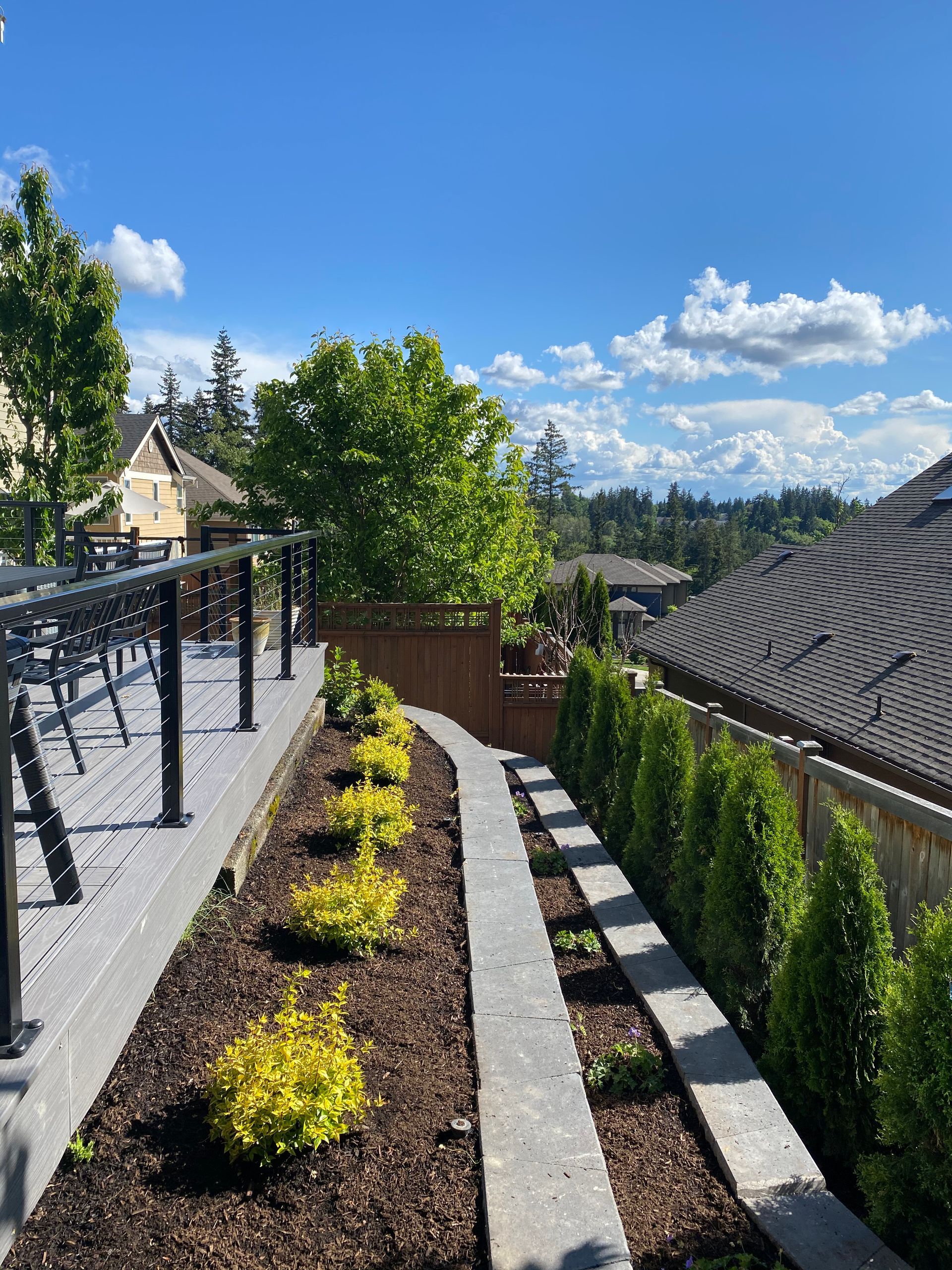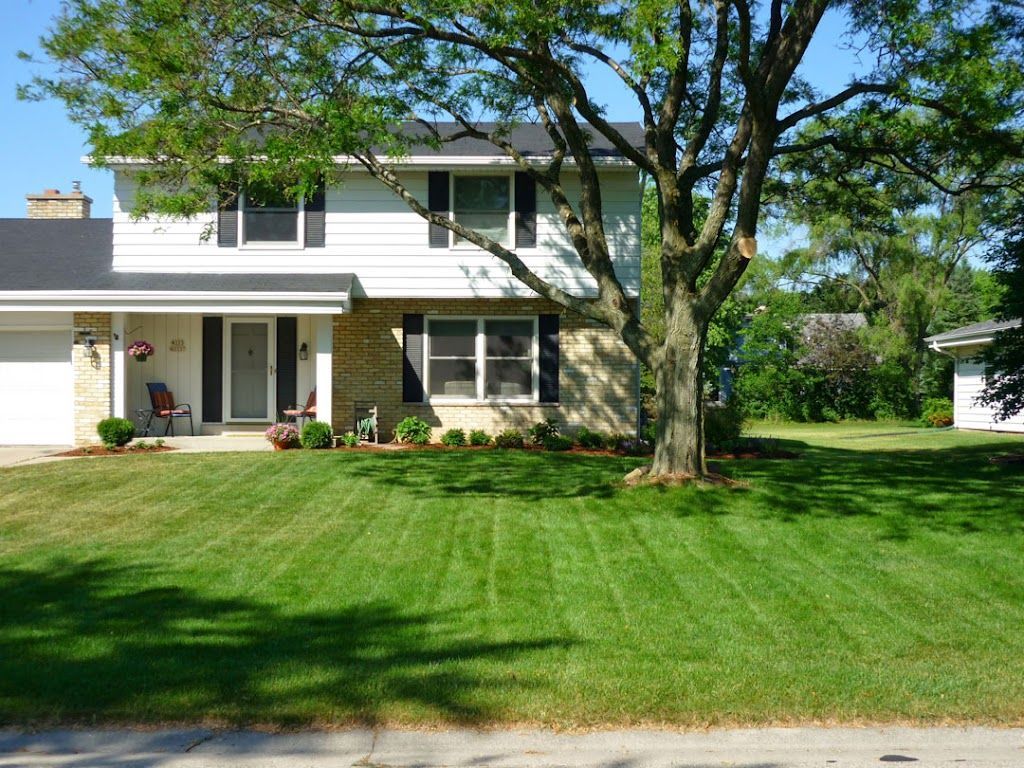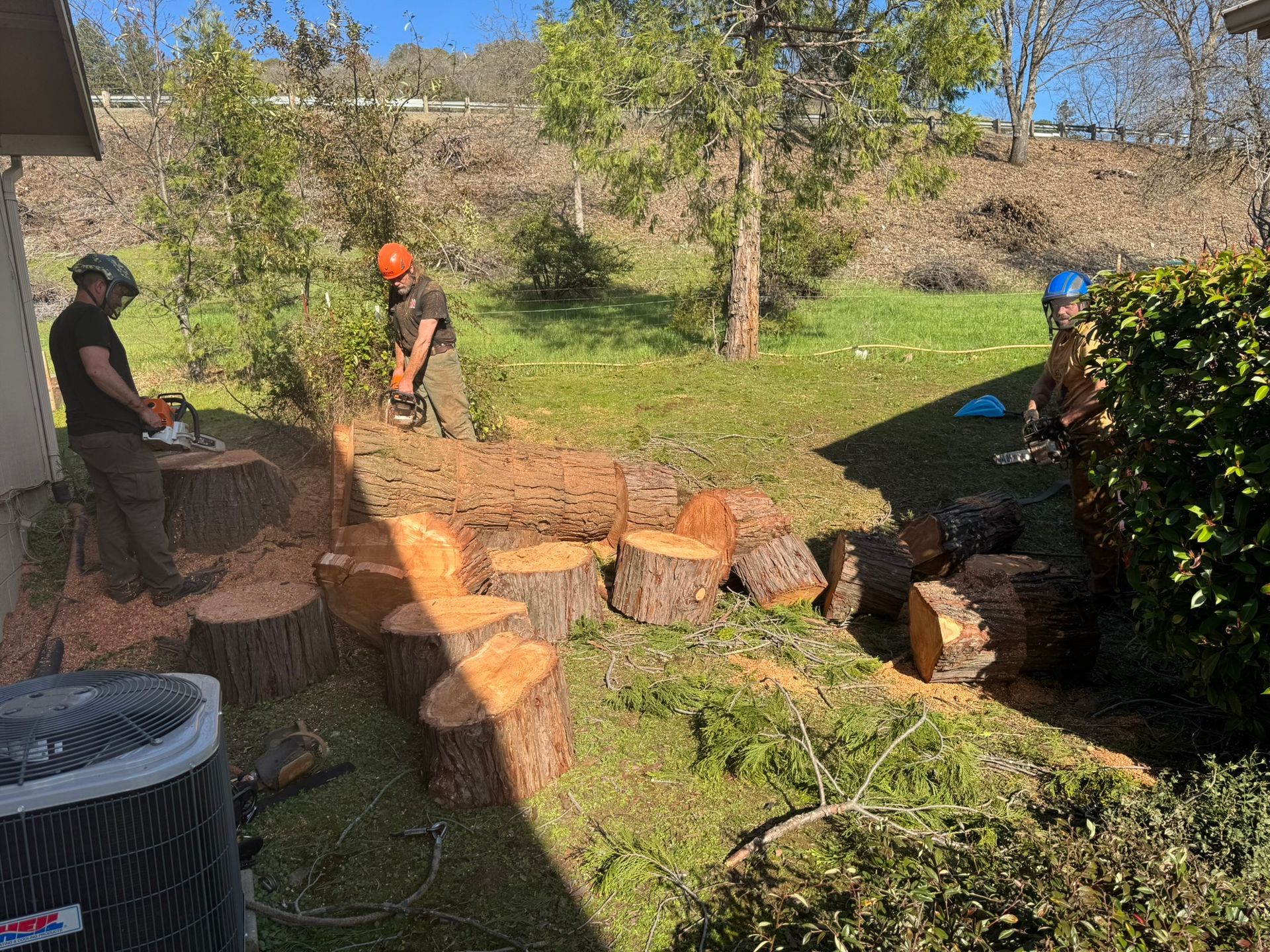
Best Hardscaping Companies in Seattle for Patio and Walkway Installation
Hardscaping Seattle: Expert Patio & Walkway Installation Guide
Key Takeaways
- Seattle's climate demands specific hardscaping materials like permeable pavers, natural stone, and properly sealed concrete that can handle 37+ inches of annual rainfall without cracking, shifting, or developing drainage issues.
- Reputable Seattle hardscaping contractors should hold a Washington State contractor's license, carry comprehensive liability insurance, provide written warranties, and offer free on-site estimates before any project begins.
- Professional hardscape design services integrate drainage solutions, permit compliance, and landscape cohesion to create outdoor living spaces that enhance both functionality and property value by an average of 5-15%.
- Cost transparency matters when selecting a hardscaping specialist, with Seattle-area patio installations typically ranging from $15-$50 per square foot depending on materials, complexity, and site preparation requirements.
- Combining hardscaping with professional tree and landscape services ensures your outdoor renovation addresses root intrusion risks, shade considerations, and overall yard cohesion for lasting results.
Understanding Hardscaping in Seattle's Unique Environment
Seattle homeowners face distinct challenges when planning outdoor hardscape projects. The city's maritime climate, characterized by mild temperatures, frequent rainfall, and occasional freeze-thaw cycles, demands materials and installation techniques specifically suited to Pacific Northwest conditions.
According to the U.S. Environmental Protection Agency (EPA), impervious surfaces in urban areas contribute significantly to stormwater runoff challenges. Seattle's regulations increasingly favor permeable hardscaping solutions that allow rainwater to filter naturally into the ground, reducing strain on municipal drainage systems while protecting local waterways like Puget Sound.
The Washington State Department of Ecology reports that properly designed hardscapes incorporating permeable materials can reduce stormwater runoff by up to 70% compared to traditional impervious surfaces. This makes material selection and professional installation not just aesthetic considerations but environmental responsibilities for Seattle property owners.
What Are the Best Hardscaping Companies in Seattle for Patio and Walkway Installation?
Finding the right hardscaping contractor in Seattle requires evaluating several critical factors beyond just price. The best companies demonstrate expertise in regional conditions, maintain proper licensing, and showcase portfolios featuring successful local projects.
Qualities That Define Top Seattle Hardscapers
Licensed and Insured Operations: Washington State requires contractors performing work over $1,000 to hold a valid contractor's license registered with the Department of Labor & Industries. Verify any potential hardscaping company's credentials through the L&I contractor verification system before signing contracts.
Local Climate Expertise: Seattle's average annual rainfall exceeds 37 inches, and experienced hardscapers understand the drainage, grading, and material requirements this climate demands. Ask prospective contractors specifically about their approach to water management in hardscape design.
Comprehensive Service Offerings: The best hardscaping companies coordinate with related services, including tree removal and trimming, to ensure your entire landscape project succeeds. Large trees near proposed patio areas may require professional tree assessment and potential removal to prevent root damage to new hardscape installations.
Portfolio of Completed Seattle Projects: Request to see completed projects in Seattle, Sammamish, Issaquah, and surrounding areas. Local work demonstrates the contractor's familiarity with regional soil conditions, permit requirements, and design aesthetics that complement Pacific Northwest architecture.
Who Offers Professional Hardscaping Design Services in Seattle?
Professional hardscape design goes far beyond selecting pavers and drawing property lines. Expert designers create comprehensive plans that address drainage, accessibility, local code compliance, and seamless integration with existing landscape features.
The Design Process Explained
Quality hardscaping design services typically follow a structured process:
Initial Consultation and Site Assessment: Designers evaluate your property's topography, soil conditions, existing vegetation, drainage patterns, and how you envision using your outdoor space. This assessment identifies potential challenges like underground utilities, tree roots, or grade issues that could impact installation.
Conceptual Design Development: Based on your vision and the site assessment, designers create preliminary concepts showing layout options, material suggestions, and how the hardscape will connect with your home and existing landscape features.
Detailed Planning and Specifications: Once you approve a concept, designers develop detailed plans including precise measurements, material specifications, drainage solutions, and construction details. These plans guide installation crews and serve as documentation for permit applications.
Coordination with Landscape Services: Professional hardscape designers coordinate with arborists and landscape professionals to ensure trees and plantings complement rather than conflict with hardscape elements. Mature trees may require expert trimming or pruning to accommodate new outdoor living spaces while preserving their health and your property's shade coverage.
Where Can I Hire Experienced Hardscapers in Seattle for My Yard Renovation?
Seattle's diverse neighborhoods, from Capitol Hill's urban lots to Magnolia's spacious properties, demand hardscaping expertise adapted to varying site conditions. Experienced hardscapers in the greater Seattle area can be found through several reliable channels.
Finding Qualified Local Contractors
Industry Associations: The Washington State Nursery & Landscape Association (WSNLA) maintains directories of member contractors who meet professional standards and continuing education requirements.
Contractor Verification Resources: The Washington State Department of Labor & Industries offers free contractor verification allowing you to confirm licenses, bond status, and any complaints or violations.
Local Recommendations: Neighborhood social media groups, NextDoor communities, and personal referrals from neighbors with completed hardscape projects provide valuable insights into contractors' work quality and professionalism.
Integrated Landscape Companies: Companies offering comprehensive landscape services, including hardscaping, tree care, and maintenance, often provide better project coordination. When your hardscape installation requires tree work, having one company coordinate tree services with hardscape installation ensures efficient scheduling and cohesive results.
How Do I Find a Reputable Contractor for Hardscaping Projects in Seattle?
Distinguishing reputable contractors from unreliable operators protects both your investment and your property. Several verification steps help ensure you're hiring qualified professionals.
Essential Contractor Verification Steps
| Verification Item | Why It Matters | How to Verify |
|---|---|---|
| Washington State Contractor License | Legal requirement; indicates bonding and insurance minimums | L&I Contractor Verification website |
| General Liability Insurance | Protects you from liability for on-site injuries or property damage | Request certificate; verify with insurer |
| Workers' Compensation Coverage | Protects you from liability for worker injuries | L&I verification confirms coverage |
| Better Business Bureau Status | Indicates complaint history and resolution | BBB website search |
| Online Reviews | Shows patterns in customer satisfaction | Google, Yelp, Angie's List |
| Portfolio of Local Work | Demonstrates relevant experience | Request from contractor |
| Written Warranty | Confirms commitment to work quality | Review before signing contract |
Red Flags to Avoid
Requests for Large Upfront Payments: Reputable contractors typically require deposits between 10-30% with the balance due upon completion or according to milestone schedules for larger projects.
No Written Contract: Professional contractors provide detailed written contracts specifying scope of work, materials, timeline, payment schedule, and warranty terms.
Pressure Tactics: Quality contractors welcome your due diligence and don't pressure immediate signing or payment.
Inability to Provide References: Established contractors readily provide references from recent Seattle-area projects.
Which Seattle Hardscaping Specialists Offer Free Estimates?
Most reputable hardscaping contractors in Seattle provide free initial estimates as a standard practice. However, the quality and comprehensiveness of these estimates varies significantly among providers.
What a Quality Free Estimate Should Include
On-Site Assessment: Phone or online-only estimates rarely capture the site-specific factors affecting your project. Quality estimates require on-site evaluation of soil conditions, existing drainage, slope, access for equipment and materials, and proximity of trees whose roots might impact installation.
Detailed Scope Description: The estimate should clearly describe what's included: demolition of existing surfaces, excavation depth, base preparation, edge restraints, materials, and finishing details.
Material Specifications: Rather than vague descriptions, quality estimates specify exact materials by name, dimensions, and quantity.
Timeline Projection: Professional estimates include realistic timeline projections accounting for Seattle's weather patterns and any necessary permit acquisition.
Written Documentation: Verbal estimates offer no protection. Insist on written documentation you can review and compare.
Seattle Hardscaping Materials: What Works Best in Pacific Northwest Weather
Material selection critically impacts hardscape longevity in Seattle's climate. The following comparison helps homeowners understand options suited to local conditions.
Material Comparison for Seattle Climate
| Material | Durability in Seattle Climate | Maintenance Level | Cost Range (per sq ft) | Best Applications |
|---|---|---|---|---|
| Natural Stone (flagstone, slate) | Excellent; handles freeze-thaw well | Low; occasional sealing recommended | $20-$50 | Patios, accent walkways, natural-style designs |
| Concrete Pavers | Very Good; wide variety of styles | Low; occasional joint sand replenishment | $12-$25 | Driveways, patios, walkways, pool decks |
| Permeable Pavers | Excellent; designed for high rainfall | Medium; joint material maintenance | $15-$30 | Driveways, patios, areas with drainage concerns |
| Stamped Concrete | Good; requires proper sealing | Medium; resealing every 2-3 years | $10-$20 | Patios, walkways, decorative areas |
| Brick | Good; traditional aesthetic | Low-Medium; moss prevention | $14-$30 | Walkways, patios, traditional-style homes |
| Gravel/Crushed Stone | Variable; requires containment | Higher; periodic replenishment | $5-$15 | Casual pathways, French drains, natural areas |
Why Permeable Solutions Matter in Seattle
Seattle's stormwater regulations increasingly emphasize managing runoff at the source. The Seattle Department of Construction and Inspections requires many new projects to incorporate stormwater management features. Permeable hardscaping offers both regulatory compliance and practical benefits:
- Reduces standing water and ice formation on walking surfaces
- Allows tree roots in adjacent areas to access natural rainfall
- Decreases burden on residential drainage systems
- Contributes to Puget Sound water quality protection
The Hardscaping Installation Process: What to Expect
Understanding the installation process helps homeowners prepare for their projects and recognize quality workmanship. Professional hardscape installation follows established steps regardless of specific materials.
Professional Installation Phases
Phase 1: Site Preparation
This crucial phase includes clearing vegetation, removing existing surfaces if applicable, and addressing any tree root or drainage issues. If large trees require removal or significant trimming to accommodate your hardscape design, coordinating professional tree services
before hardscape installation prevents costly delays and potential damage to new installations.
Phase 2: Excavation and Grading
Proper excavation depth depends on soil conditions, material choice, and intended use. Seattle's clay-heavy soils often require deeper excavation and robust base preparation compared to sandy soils. Professional grading ensures proper drainage away from structures.
Phase 3: Base Installation
A properly compacted base prevents settling, shifting, and water pooling. Quality contractors use multiple layers of graded aggregate, mechanically compacted to specifications appropriate for the intended use and local soil conditions.
Phase 4: Edge Restraint Installation
Edge restraints prevent pavers and stones from shifting over time. Options include rigid plastic, aluminum, or concrete borders depending on design and material choices.
Phase 5: Surface Material Installation
Whether natural stone, pavers, or poured concrete, surface installation requires precision, proper spacing, and attention to pattern alignment. Quality contractors maintain consistent joint widths and level surfaces throughout the installation.
Phase 6: Joint Filling and Sealing
Polymeric sand or appropriate joint fillers stabilize pavers while allowing necessary drainage. Some materials benefit from sealing to enhance color and protect against staining.
Phase 7: Final Grading and Cleanup
Professional installation includes final adjustments to adjacent grades ensuring proper drainage and complete site cleanup.
Integrating Hardscaping with Existing Landscape Features
Successful hardscape projects don't exist in isolation. They integrate with existing trees, plantings, and landscape elements to create cohesive outdoor environments.
Protecting Mature Trees During Hardscape Projects
Seattle's urban forest represents significant property value and environmental benefit. Mature trees near proposed hardscape areas require careful consideration:
Root Zone Assessment: Tree roots extend far beyond the visible canopy. Professional assessment identifies root zones that installation must avoid or accommodate.
Protective Barriers: During construction, barrier fencing prevents equipment compaction and material storage from damaging critical root zones.
Material Selection Near Trees: Permeable materials allow oxygen and water to reach roots better than solid surfaces. When hardscaping near valued trees, permeable options protect long-term tree health.
Professional Tree Care Coordination: Before finalizing hardscape plans, consider whether professional tree trimming might improve light access to the hardscape area or whether problematic trees should be addressed before installation begins.
Hardscaping Costs in Seattle: Investment Planning Guide
Understanding cost factors helps Seattle homeowners budget realistically and evaluate quotes appropriately.
Typical Seattle Hardscape Project Costs
- Patio Installation:$3,000-$15,000+ for typical residential patios (200-500 square feet), varying significantly based on material selection, site preparation requirements, and design complexity.
- Walkway Installation:$1,500-$8,000 for standard residential walkways, with natural stone and custom designs commanding premium pricing.
- Retaining Walls:$50-$150 per linear foot depending on height, material, and structural requirements.
- Driveway Installation:$8,000-$25,000+ for standard two-car driveways, with permeable systems at the higher end.
Factors Affecting Project Costs
Site Conditions: Rocky soil, significant grade changes, poor drainage, or required tree removal increase preparation costs.
Material Choice: Natural stone costs significantly more than concrete pavers; premium brands and colors command higher prices.
Design Complexity: Curved layouts, multiple materials, and intricate patterns require more labor and material waste.
Access Limitations: Properties with limited equipment access may require more manual labor, increasing costs.
Permit Requirements: Complex projects requiring engineering or environmental review add permit fees and potential design costs.
Permit Requirements for Seattle Hardscaping Projects
Seattle's permit requirements for hardscaping vary based on project scope, location, and property characteristics. Understanding requirements before starting protects homeowners from costly compliance issues.
When Permits Are Typically Required
According to the Seattle Department of Construction and Inspections:
- Retaining walls over 4 feet in height require building permits
- Projects affecting drainage patterns may require drainage permits
- Work in environmentally critical areas (steep slopes, wetland buffers, shoreline zones) requires additional review
- Some historic districts require design review for visible hardscape changes
- Significant impervious surface additions may trigger stormwater requirements
The Permit Process
Reputable contractors familiar with Seattle regulations handle permit acquisition as part of their services. They prepare necessary documentation, submit applications, schedule inspections, and ensure work meets code requirements. This expertise represents significant value beyond simple installation skills.
Emergency Considerations: Weather Damage and Urgent Repairs
Seattle's occasional wind storms, flooding events, and severe weather can damage existing hardscapes and create urgent situations requiring immediate attention.
Addressing Storm Damage
Severe weather can undermine hardscape bases, shift retaining walls, or create drainage emergencies. When storms damage your property, emergency tree services may be needed alongside hardscape repairs, particularly when fallen trees or branches have damaged patios, walkways, or retaining structures.
Professional contractors assess whether damaged hardscapes require complete replacement or can be repaired. Prompt response prevents minor damage from becoming major structural failures, particularly with retaining walls where delayed repairs can lead to complete wall failure.
Maximizing Property Value Through Strategic Hardscaping
The National Association of Realtors reports that outdoor improvements including hardscaping typically return 50-80% of investment at sale while providing daily enjoyment for homeowners. Strategic hardscape choices maximize both current functionality and future value.
High-Value Hardscape Features
Outdoor Living Spaces: Patios designed for entertaining with defined cooking, dining, and conversation areas appeal strongly to Seattle buyers seeking to maximize limited outdoor living seasons.
Functional Walkways: Connected walkways that create purpose and flow throughout the landscape improve both aesthetics and daily functionality.
Sustainable Features: Permeable surfaces, rain gardens, and eco-conscious material choices increasingly appeal to environmentally aware Seattle buyers.
Low-Maintenance Design: Designs requiring minimal ongoing maintenance attract buyers seeking beautiful outdoor spaces without extensive upkeep demands.
Creating Cohesive Outdoor Environments
Maximum property value comes from hardscapes that integrate seamlessly with overall landscape design. This includes:
- Coordinated material palettes connecting hardscape to home architecture
- Thoughtful plantings softening hardscape edges
- Properly maintained trees providing shade and visual interest
- Lighting extending hardscape enjoyment into evening hours
Professional landscape companies offering both hardscaping and tree maintenance services create these cohesive environments more effectively than fragmented contractor approaches.
Eco-Friendly Hardscaping Options for Environmentally Conscious Homeowners
Seattle's environmental awareness makes sustainable hardscaping increasingly popular. Several approaches reduce environmental impact while creating beautiful outdoor spaces.
Sustainable Hardscape Strategies
Recycled Materials: Many pavers now incorporate recycled content including glass, rubber, and recycled concrete aggregate.
Local Stone: Sourcing natural stone from Pacific Northwest quarries reduces transportation impacts compared to imported materials.
Permeable Systems: Beyond regulatory compliance, permeable hardscapes support groundwater recharge and reduce urban heat island effects.
Reclaimed Materials: Salvaged brick, stone, and timbers add character while diverting materials from landfills.
Native Plant Integration: Combining hardscapes with native plantings creates wildlife habitat and reduces irrigation demands.
Seasonal Considerations for Seattle Hardscape Projects
Seattle's climate creates optimal and challenging windows for hardscape installation. Understanding seasonal factors helps homeowners plan projects for best results.
Best Times for Hardscape Installation
Late Spring through Early Fall (May-October): Drier conditions allow efficient excavation, base preparation, and installation. Most contractors have optimal availability during these months with advanced scheduling.
Winter Challenges: While installation is possible during Seattle's mild winters, wet conditions can complicate excavation, affect base compaction, and extend project timelines. Some sealers and polymeric sands require minimum temperatures for proper curing.
Year-Round Planning Benefits
Even during less favorable installation seasons, homeowners can:
- Obtain multiple estimates and evaluate contractors
- Finalize designs and material selections
- Secure permits for complex projects
- Schedule preferred contractors for optimal timing
- Address preliminary tree work before installation season
Conclusion
Selecting the best hardscaping company in Seattle for patio and walkway installation requires careful evaluation of contractor credentials, material expertise, and local experience. The Pacific Northwest's unique climate demands specialized knowledge that distinguishes qualified professionals from general contractors.
Successful hardscape projects integrate drainage solutions, appropriate materials, proper permits, and coordination with existing landscape features including mature trees. By verifying contractor credentials, obtaining detailed written estimates, and understanding the installation process, Seattle homeowners can confidently invest in outdoor improvements that enhance daily living and long-term property value.
Whether you're planning an intimate courtyard, an expansive entertainment patio, or functional walkways connecting your outdoor spaces, professional guidance ensures your investment withstands Seattle's weather while creating the outdoor environment you envision.
Frequently Asked Questions
What are the best hardscaping companies in Seattle for patio and walkway installation?
The best Seattle hardscaping companies hold Washington State contractor licenses, carry comprehensive insurance, demonstrate Pacific Northwest climate expertise, provide detailed written estimates, and maintain portfolios of successful local projects with verifiable references.
Who offers professional hardscaping design services in Seattle?
Licensed landscape architects, certified landscape designers, and established hardscaping contractors with design capabilities offer professional hardscape design services throughout the Seattle metropolitan area.
Where can I hire experienced hardscapers in Seattle for my yard renovation?
Hire experienced hardscapers through contractor verification at Washington State L&I, industry associations like WSNLA, reputable online review platforms, and referrals from neighbors with completed projects.
How do I find a reputable contractor for hardscaping projects in Seattle?
Verify Washington State contractor licensing, confirm liability and workers' compensation insurance, check Better Business Bureau status, review online ratings, request local references, and compare detailed written estimates from multiple contractors.
Which Seattle hardscaping specialists offer free estimates?
Most reputable Seattle hardscaping specialists offer free on-site estimates including site assessment, scope description, material specifications, and timeline projections documented in writing.
What is the cost of hardscaping in Seattle?
Seattle hardscaping costs typically range from $15-$50 per square foot depending on materials, site conditions, design complexity, and contractor selection, with average patio projects ranging from $3,000-$15,000.
Who are the best hardscaping contractors near me?
The best local contractors demonstrate relevant experience in your specific area, understanding local soil conditions, permit requirements, and design aesthetics suited to your neighborhood.
How long does hardscaping installation take?
Typical residential patio installations require 3-7 days; walkways 1-3 days; larger projects with significant preparation or custom features may extend to several weeks.
What materials are best for Seattle weather?
Natural stone, concrete pavers, and permeable paving systems perform best in Seattle's rainy climate, handling freeze-thaw cycles and providing proper drainage when professionally installed.
Is a permit required for hardscaping in Seattle?
Permits are required for retaining walls over 4 feet, projects affecting drainage patterns, work in environmentally critical areas, and significant impervious surface additions; smaller projects often require no permit.
Can I get a free estimate for a hardscape project?
Yes, most professional hardscaping contractors provide free on-site estimates as standard practice; insist on written documentation including detailed scope, materials, timeline, and pricing.
What's the difference between hardscaping and landscaping?
Hardscaping refers to non-living landscape elements like patios, walkways, walls, and structures, while landscaping encompasses both hardscape features and living elements including plants, trees, and lawn areas.
What hardscape features increase home value?
Outdoor living spaces, functional patios, well-designed walkways, properly constructed retaining walls, and sustainable features like permeable paving typically provide the strongest return on investment.
Are there eco-friendly hardscaping options?
Yes, eco-friendly options include permeable pavers, recycled-content materials, locally-sourced natural stone, reclaimed materials, and designs integrating native plantings with reduced irrigation requirements.
How to choose a reliable contractor in Seattle?
Choose reliable contractors by verifying state licensing, confirming insurance coverage, reviewing completed local projects, checking references, comparing detailed written estimates, and trusting your assessment of their professionalism and communication.
Ready to transform your outdoor space with professional hardscaping?
Contact the experienced team serving Seattle, Sammamish, Issaquah, and surrounding areas for comprehensive landscape services including tree care and hardscape coordination.
You might also like